
Czechia used to be considered a “cheap country in Eastern Europe”. We can’t it is necessary true, but Czechia is definitely one of the most affordable European countries compared to its neighbors. This is one of the reasons why young people from strong economics like Germany, France, Austria and even Switzerland study in the Czech Republic: they value high-quality education, reasonable fees and an affordable lifestyle in a safe country with a predictable level of expenses.
Do they feel like they go into a country that offers them less than their homeland did? Do they take it as a 6 year struggle after which they will rush back home? Not at all. Actually, many of them stay and work in university hospitals, build their families here and consider it one of the best decisions in their life.
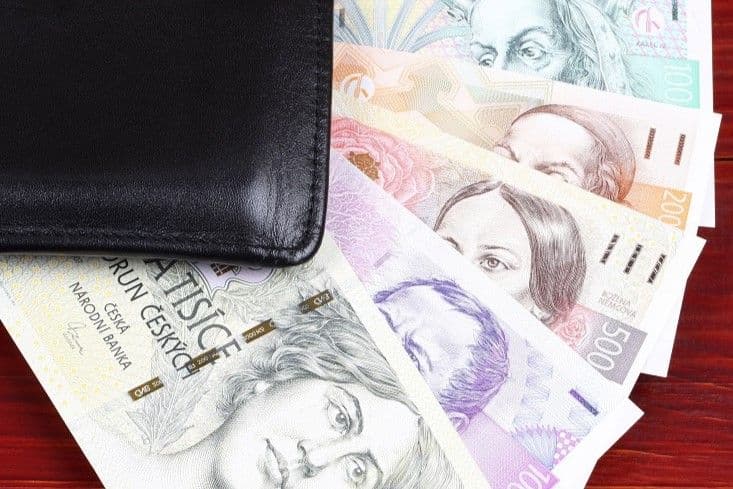
Oh, by the way, Czechia uses its own currency - the Czech Crown. A Euro trades for approximately 25 Czk.
Average accommodation costs
University dormitory: €165–250 per month
Shared apartment rental: €620–1 000 per month
Monthly expenses
Food: €205–410 (1 meal in the student cafeteria costs €3,5)
Public transport: €54 per year for students
Other expenses: €82–165 per month, depends on how much of a shopaholic you are.
Which gives us a nice total of €410–1,030 per month, depending on lifestyle. Living costs are generally higher in Prague, while other Czech cities tend to offer more affordable housing and everyday expenses.
Irregular expenses
Health insurance: around €500 a year.
Medical expenses: urgent cases are covered by the insurance company and you always immediately pay €3 for urgent care. Calling an ambulance in Czechia can be expensive though and cost from €40 to €400.
Beauty: €35 for a haircut, €30 for nails (often with student discounts).
A taxi ride: €9
ISIC (international student card): €16.
Visa expenses (if you need one): €600 and approximately €5500 in your bank account for confirmation of your financial status (the state doesn’t want you to become a homeless with a legal stay in the country, so they make sure you have the minimum to survive and live well).
Medical textbooks: €0 because of a network of faculty libraries, that provides all the study materials.
And the best – medical accessories: €100 – depending on your brand preferences.
And let’s not forget about Prague being included in world tour programmes of major music stars: an average concert ticket will cost you around €70 and you get to enjoy live shows from stars like Pitbull, Metallica, Rammstein, The Weekend, Ed Sheeran and many more.
A good hangout in Prague is also pretty affordable: the world-famous Czech beer costs around €2-3 for 0,5 l and a cup of coffee costs around €3. An average restaurant meal will cost you €7.
What about scholarships? Students without permanent residents in Prague get a scholarship of €30 a month which doesn’t cover the cost of living in the dorm but it always a pleasant bonus. If you are a straight A student though, life gets easier because you can get around €400 to €2000 depending on the dean’s decision. Also, check your local state grants and scholarships: some countries encourage young people to study abroad and support them financially.
As a conclusion, we can say that if you're planning to apply to a Czech medical school, you don't have to navigate the process alone. From choosing the right university and preparing for entrance exams to understanding student life and its expenses in the Czech Republic, we've helped applicants turn uncertainty into a clear, achievable plan. Starting something unknown is always hard, you starts calculating, planing and overthinking and it is normal. But once you gain proper support, you become less scared and more confident. And this is how the journey begins.
MUC Alena Kozhemiakina